What Do We Do with Christianity?
I arrived at the CAC’s ReVision conference hoping for answers. I was troubled by the disordered state of Christianity in our culture. I had personal questions, too. I had been struggling to discern next steps on my spiritual path. I had been wrestling with how to worship, because I no longer had a church home. From the outset, however, I was assured that the goal was not to seek certainty, but to live the questions and be patient with what remained unresolved.
ReVision was planned with great thought and care. The circular layout of the meeting space symbolized a sacred circle of belonging and wholeness. Each morning, we entered to breathtaking nature videos highlighting God’s magnificent creation. We then centered down in contemplative silence before moving on to the programs. We shared rich traditions and perspectives: Indigenous prayers, poetry, a Jewish shabbat ritual, Black spirituality, chanting, and more. I view different faith traditions much like languages, each expressing our innate longing for the Divine. These special experiences were filled with meaning.
The programs were weighty and thought-provoking. We examined Christianity’s history, from its beginning centered on the life and teachings of Jesus, through its compromised evolution into the Christianity of Empire. We discussed ancient and modern contemplatives and activists who followed different paths, based on their unique callings, to live out Jesus’s teachings. The essential point became clear: There is no one right way. What matters is the sincere intention to follow the gospel message.
I also realized worship doesn’t have to look a certain way. I heard that church is not a place we go to, but the place we come from to stand with those at the margins. So, I’m asking God how I can worship with my hands, feet, and resources instead of kneeling in a church pew. It need not have grand impact. My heart was touched to hear that our everyday lives can be sacred ground if we are intentional about it.
The sacred-circle image returned during a talk on the Benedictine motto of Work and Pray, with the concept of the Four Quadrants of a spiritual life: Inner Work Alone, Inner Work Together, Outer Work Alone, and Outer Work Together. It was illustrated as a quartered square with the circular, labyrinth-styled CAC logo at its center. My eyes were drawn to that circle, and I visualized the whole of the Four Quadrants enclosed within a circular form—no beginning and no end. I could also view my life as a sacred circle. Different seasons affect how life looks at particular times, yet that is not the whole. What’s more, my circle doesn’t stand on its own. It is held within a wider circle of ancestors known and unknown, contemporaries, and generations to come. We are all enveloped in God’s love. To paraphrase Fr. Richard, we are each a very small part of a very big thing.
For me, the essential response to what we do with Christianity was moving the emphasis from the noun “Christianity” to the verb “Do.” By making that shift, I can take part in Christianity’s continuing evolution to a more loving, Christ-centered version of itself.
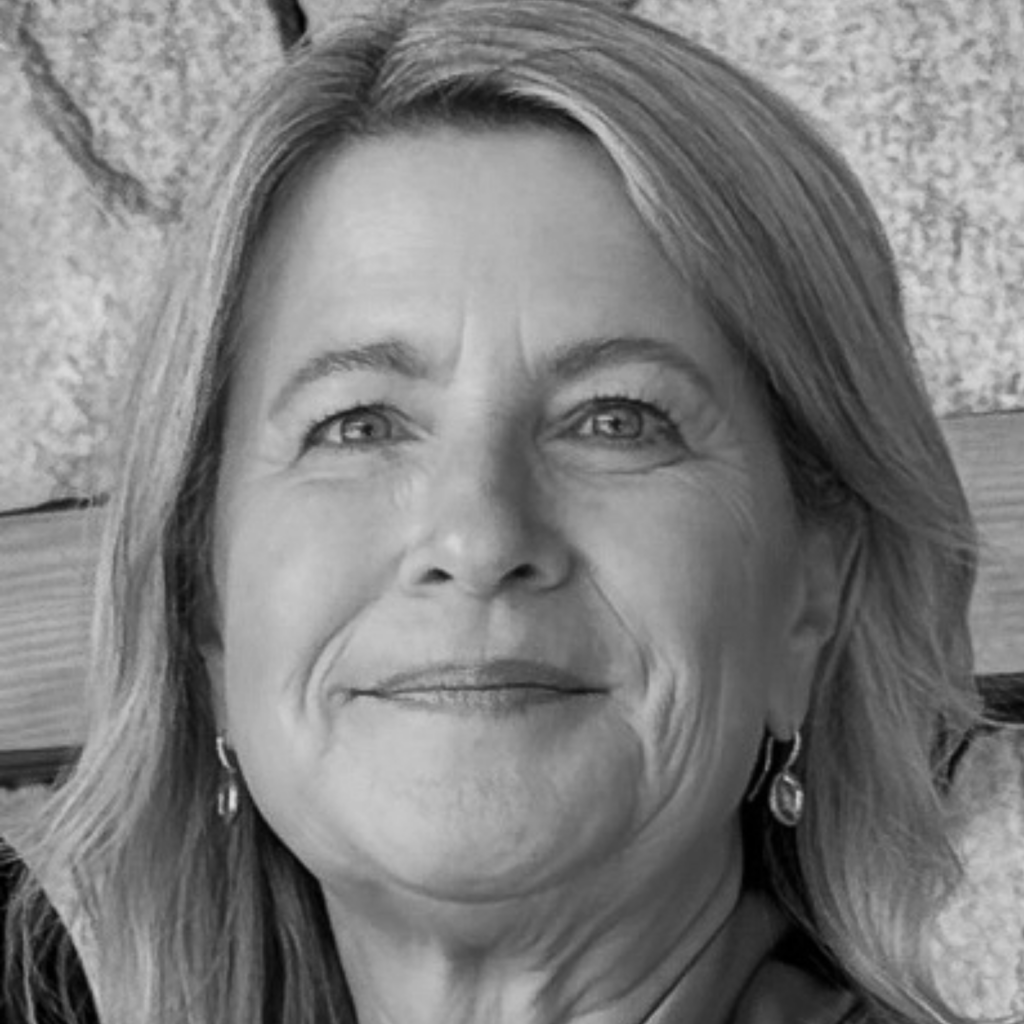
Maria Nersesian is a longtime student of contemplation and the evolving spiritual life, a wife, mother of two, grandmother of two (soon to be three), who views her loving family as her greatest gift and joy. She is an avid reader of many genres, loves walking outdoors, travel and playing canasta. Maria and her husband Ron live in Naples, FL and Santa Rosa, CA.
The Center for Action and Contemplation’s mission is to introduce Christian contemplative wisdom and practices that support transformation and inspire loving action. In this issue of the Mendicant, we are honored to share with you articles from five members of CAC’s community about what loving action looks like in their lives. Download a PDF of this issue.