In the Desert, at the Border: Seeking a Contemplative Path at the Edge of Empire
I was born in the desert—in Jordan, not far from where the early Christian desert mystics withdrew into the wilderness, seeking deeper communion with God. They weren’t just escaping the world, but searching for clarity, transformation, and freedom from the illusions of empire and ego. In silence and simplicity, they opened themselves to grace. Their lives—marked by humility, presence, and inner wrestling—continue to shape how I understand faith.
Years later, I find myself living in another desert—El Paso, Texas, my wife’s hometown. The terrain is familiar, echoing both my childhood and encounters with desert monasticism in Egypt. But this land carries a different layered story. Along the Rio Grande River, our nonprofit, Abara, stewards five acres at an ancient river crossing long used by Indigenous communities. It later became a corridor for empire: the Spanish Camino Real, the Butterfield Trail, a Confederate mill powered by enslaved labor, Chinese railroad workers, and countless migrants moving through the borderlands.
The land remembers. It holds grief and resilience, memory and longing. Just feet from the US-Mexico border fence, in a place now marked by razor wire and patrol vehicles, we ask: What might it mean to cultivate a Christian contemplative movement here—at the edge of nations, in the shadow of power, at the very site of early European colonization in 1598?
As a community at Abara, we desire to walk a path, to pursue a pilgrimage—shaped by ancient wisdom and present urgency. This path is filled with many questions: Can contemplation help us discern the ways Christianity has been entangled with empire—and begin to imagine a faith disentangled from domination? Can contemplation move us from fear and polarization to connection, healing, and beloved community?
We’re creating space for stillness and presence: gardens, a chapel, a meditation room, a labyrinth, and walking paths in the shadow of the border fence. One path leads inward, toward humility and spiritual healing. A parallel path follows the outer journey, the migrant journey, lined with backpacks, shoes, and cell phones left behind, still holding missed calls from mi amor.
These are not artifacts. They are cries, waiting to be heard, sacred invitations to listen, grieve, and be changed.
Contemplation, we believe, is not just about retreat for retreat’s sake. It is about returning—again and again—to what matters: the presence of God, the dignity of each person, and the courage to see clearly and keep walking the path to which we are called.
And contemplation must move toward loving action. Another part of our site, the historic La Hacienda restaurant, will host symposiums, rotating exhibits, a global café and marketplace, weddings, quinceañeras, and binational concerts. We believe joy belongs with justice. Healing is found not only in lament, but also in feasting and celebration. And with the recent acquisition of the former Fort Bliss Officers’ Quarters, we dream of transforming symbols of military power into spaces of retreat, healing, and beloved community.
At Abara, we are attempting to listen—to the land, to history, to one another, and to God. We are learning from elders and our wisdom council, discovering that the silence of the desert and nearness to pain can open us to deeper compassion and clarity. This quiet attention grounds us, guiding us toward presence, transformation, and meaningful action.
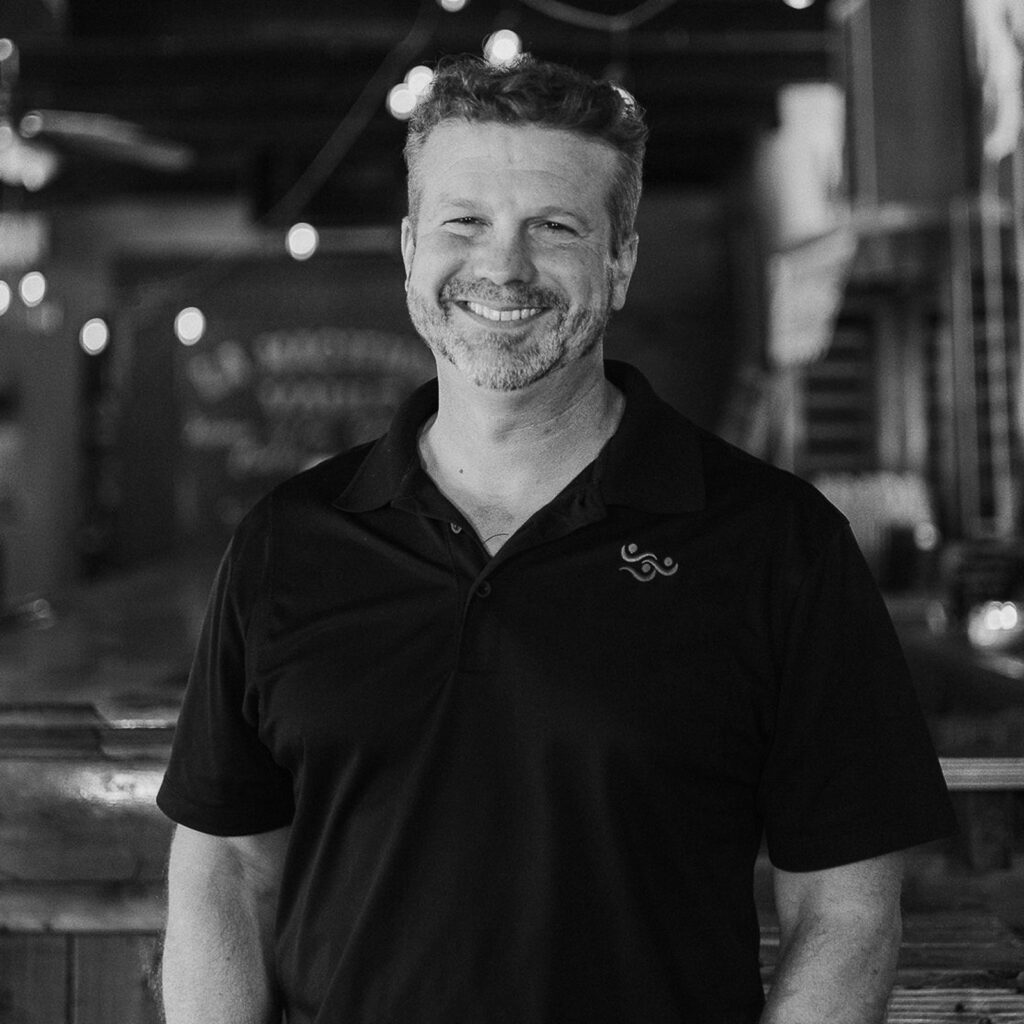
Sami is a global citizen with deep roots in community development, shaped by 15 years of work on the U.S.-Mexico border and a life spent across the Middle East, South Asia, and the United States. With degrees in International Development and Business Administration, he has led and contributed to numerous local and international initiatives focused on poverty alleviation, justice, and bridge-building across diverse sectors. Passionate about the complexities of borderlands and driven by a vision of collective flourishing, Sami brings compassion, insight, and visionary leadership to his work with Abara and beyond.
The Center for Action and Contemplation’s mission is to introduce Christian contemplative wisdom and practices that support transformation and inspire loving action. In this issue of the Mendicant, we are honored to share with you articles from five members of CAC’s community about what loving action looks like in their lives. Download a PDF of this issue.