Following Divine Guidance
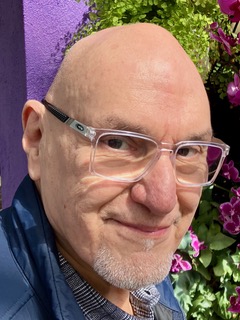
In August 2020, I received an email from a close friend and mentor asking me why I was retiring in the midst of the COVID lockdown. A good mentor always knows how and when to poke you. I called him and listened as he shared a suggestion for me—to apply to become the executive director of a soup kitchen. A long-established soup kitchen operating out of a church was buckling under the strain imposed by COVID restrictions. The number of guests queuing up for food had grown substantially. The organization had experienced three abrupt leadership changes in two years and was in financial crisis. He insisted the job was perfect for me.
I took a closer look. The soup kitchen had been operating for thirty years, yet no one had started a donor base and there was hardly any fundraising in place. There was also a long list of other organizational dysfunctions. After some discernment, including prayer walks, I agreed to become the executive director for the organization for four years, seeing them through the pandemic and immigrant crisis. I had asked for guidance once I was retired, and the answer came quickly: I went back to work.
As Jean-Pierre de Caussade reminds us, “When God becomes our guide, he insists that we trust him without reservations and put aside all nervousness about his guidance.… Divine action is always new and fresh. It never retraces its steps but always finds new routes.” [1]
I have learned from my contemplative practice to listen, to stay open to all possibilities, and to look for places where I can serve. When I receive suggestions, callings, or—as in this case—a job invitation, I follow up for more information instead of instantly rejecting an idea, especially one that sounds terribly challenging. While I have always been drawn to contemplative meditation and opportunities for being of service, I have to continuously work on myself to step around my resistance.
Then there is the challenge of how to discern that I am following divine guidance. At the soup kitchen, the answer came quickly. On the first week of mornings at my new job, I met the guests lining up for the 7 a.m. breakfast program. I met the rough sleepers—people who sleep outdoors, in parks, derelict buildings, the streets, and the subways. I met people of all ages and backgrounds who had spent the night in shelters. I spoke with young mothers, displaced refugees, and seniors on fixed incomes, many who welcomed me to the job and thanked me for their warm breakfast. I knew this was where I belonged.
Following divine providence has always been a conscious choice on my path. It was the AIDS pandemic that decimated my community in the 1980s that first called me into loving action. I gradually evolved into a nonprofit professional. I learned the loving art of providing services to people in need with mindfulness, dignity, and sensitivity.
I accept with immense gratitude the path of loving action that I have been called to walk. I am retired once again because the time is right to pass the baton. In working for smaller nonprofits, I have been given my daily lessons in practicing nonduality, in loving everyone, and in feeding everyone, with no exceptions. After all, we are all one in the Universal Christ.
Jean-Pierre de Caussade, trans. John Beevers, Abandonment to Divine Providence (Image Books, 1975), 83.
Jesse Y. Ramos is a semi-retired nonprofit executive living in New York City. He specializes in steering small nonprofits toward clarity in their mission fulfillment along with fiscal sustainability. He is a practitioner of servant leadership, giving staff members and volunteers agency to fulfill their jobs creatively and with empowerment.
The Center for Action and Contemplation’s mission is to introduce Christian contemplative wisdom and practices that support transformation and inspire loving action. In this issue of the Mendicant, we are honored to share with you articles from five members of CAC’s community about what loving action looks like in their lives. Download a PDF of this issue.